
Deviated Septum
Fairly late into my life, I learned that I had a deviated septum which made it hard to breathe. This impacted my sleep, made sports and cardio difficult, and caused loud breathing.
I opted for corrective surgery, and it was absolutely worth it.
What is it?
The septum is the thin cartilage inside the nose that divides the left and right nostrils. A deviated septum is one that is curved to one side, restricting airflow.
This video shows the septum clearly and shows how surgery fixes it
Turbinates are bony ridges inside the nose covered in soft tissue. They help warm and humidify the air coming in. They control the nasal cycle, enlarging periodically to control which nostril is being used.
This video shows
If you cover one nostril at a time with your finger while breathing in, you may notice that one side is doing more work. This switches throughout the day.
This video at 9:09 shows how turbinates look.
With a deviated septum, one side is larger and has more airflow. Turbinates on the open side enlarge in response, making breathing equally fun on both sides.
Symptoms before
Loud breathing. I could hear this if I ever made a recording of myself, e.g. playing piano. My wife pointed this out because it was loud while laying in bed, and encouraged me to look into it.
Hated cardio. I never understood why coaches in school said to breathe in through the nose and out through the mouth. It was always impossible to maintain breathing through my nose while running. In college sports, I was at the very bottom for conditioning and cardio.
Nose bleeds were fairly common for me through childhood and teen years.
Falling asleep at night, I would have to either wait for the timing to be right for the more open nostril to be active, or use a technique to open the airways by breathing out and holding my “not breath” for 10-20 seconds, repeating until I felt a soft clicking inside my nose as my airways opened up.
Diagnosis process
I brought up my concerns to my primary care doctor, and in conjunction with her hearing wheezing through the stethoscope, we started ruling out potential problems. We started with asthma, so I tried an inhaler for a short while. This didn’t seem to do anything. Next up, allergies. I took some allergy medications and used a nasal spray for a few weeks. Similarly, no effect.
Apparently we needed to do those first steps before a referral to an ENT. The appointment was placed at Ohio ENT and I went in.
That appointment had some basic checks and history questions before the doctor came in. Once the doc came in, he looked at my notes and repeated some of the questions, then pulled out an otoscope. You know, the tool used to check your ear that looks like an electric duster.
Three seconds of looking in there, he said, “Yup your septum is really crooked. Can you even breathe through that?”
It’s insane that I had to jump through those hoops for something that took literally seconds of visual inspection to diagnose. Who is to blame here? Is it insurance? The ENT’s referral requirements? Why couldn’t my primary care doc make that diagnosis?
Anyway, my surgery was scheduled for a Friday to give me the weekend to recover before work.
Surgery
If you’ve ever had general anesthesia, this surgery was no different. Change into the gown, answer the same basic question to three different people, speak to the doc for a minute, then it’s time.
Not sure if it was gas or an injection, but I was administered the anesthesia, then woke up in bed about five seconds later, groggy with a dry throat.
My wife was waiting and ready to witness any silly things I would say. I may have played it up for a video to some friends about a ridiculous number of bridesmaids in their upcoming wedding.
In a few minutes, the doc came in and talked about the surgery. Again he said something along the lines of “Wow that thing was REALLY crooked.”
He had removed the crooked part of the septum, reduced the enlarged turbinates, and as a bonus, removed a fairly large bone spur that he discovered. Apparently this was about 1/8 to 1/4 inches in size.
Splints were placed in my nose. These are flat silicone panels that compress the septum from both sides, with a tube for breathing. They are stitched in place near the end of the nostril so the stitches can be easily snipped off and the splints removed.
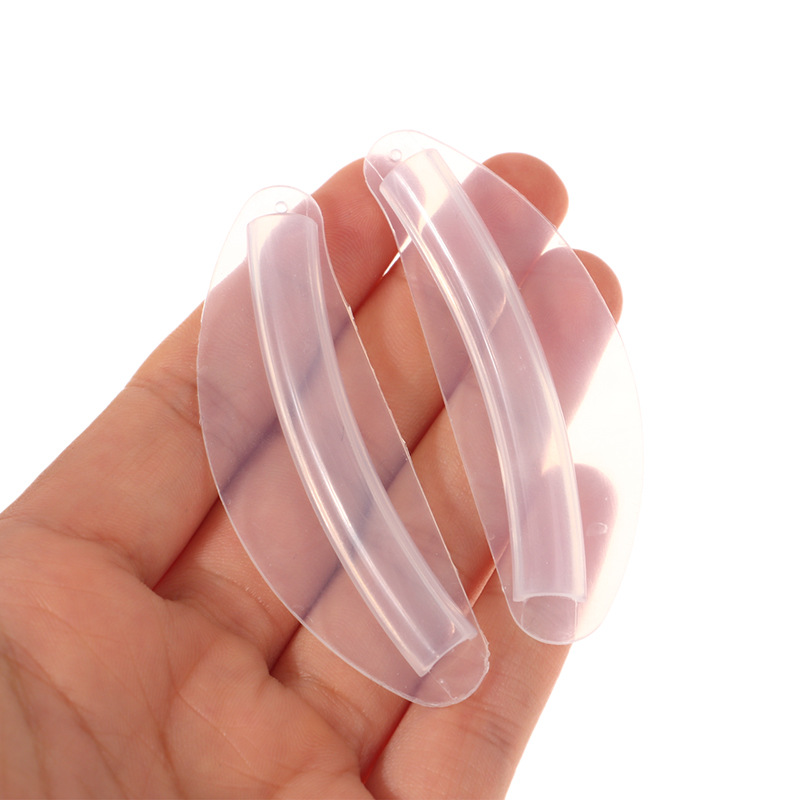
The operation itself took about 15-30 real minutes. Most of my time there was prep and recovery.
Recovery
Coming home, I felt extremely stuffed up, congested, and annoyed. Similar to the feeling of a cold. I took my prescribed pain medication consistently and didn’t have any serious pain. Bleeding was minor.
This lasted about 2 days and started to improve gradually.
You are not allowed to blow your nose for a while after surgery (weeks or months). This meant anything that needed to come out was on its own schedule, but could be helped with nasal spray/rinse. Some gauze taped under the nose helped contain the drips.
Typically I’m a side/stomach/tornado sleeper, so it was a bit annoying having to sleep on my back with my head elevated with pillows. I think the pain meds helped me sleep, so this wasn’t too bad.
I mostly stayed home for the first few weeks. I couldn’t climb anyway, and worked from home.
3-day post op follow-up appointment
This was a simple check up a few days after surgery, making sure I was healing.
Splint removal 2-3 weeks post op
2-3 weeks after surgery, I came in for the final appointment to have the splints removed. They put on a bib like at the dentist, the doctor snipped the stitches near the front of the nose, then pulled them out with some pliers.
This felt like the absolute biggest booger of my life being pulled out. One that went all the way back to my brain. At the same time, uncomfortable and incredible.
Immediately, the stuffy discomfort was gone!
I could breathe!
Is this how everyone else gets to breathe? Every day? For FREE?!?
I could just take a big breath through my nose, directly into my lungs, without feeling like I’m trying to drink an entire glass of water through a straw in two seconds.
The doc commented that my splints were the cleanest he’d ever seen, so I guess I rinsed well enough. But be warned, that bib might be necessary.
After
Healing continued, and I can still breathe great years later.
My wife has woken up in the middle of the night and gotten scared that I’m not breathing because of how quiet it is now.
I don’t need to do my breath-holding technique any more. I’m just always breathing well enough to fall asleep.
Downsides
My excuse for being bad at cardio is gone, and I have only myself to blame now.
Would I recommend?
Yes. 10/10
Appointment hassle, 1 day of surgery, and a few weeks of discomfort to have clear breathing for the rest of my life. I’d take that trade again, and I would have done it sooner had I known.
Empty nose syndrome
In my initial probing before surgery, I came across some horror stories of people who had turbinates reduced and had an intolerable reaction, severely disrupting their life.
My doctor never mentioned this as a concern, and I never brought it up. This was a routine surgery for my doctor and I imagine he’s done hundreds with no problem.
I didn’t experience anything like this, and I wouldn’t change my decision to go through with the operation.